Equine Rehabilitation in Northeast Wisconsin
Rehabilitation helps horses recover from injuries, surgeries, or other performance-related issues. However, proper technique and care are needed during rehabilitation to ensure a successful rehabilitation.
Our dedicated Northeast Wisconsin-based team is committed to ensuring horses are properly treated during this sensitive time. Whether it’s physical therapy, injury or disease recovery, or even behavior and mental rehabilitation, our professionally trained team can help your horse make a complete recovery. Contact our office today to book your initial consultation.

Why Choose Great Lakes Equine for Your Pet’s Rehabilitation
At Great Lakes Equine, we understand the importance of proper rehabilitation for horses, regardless of what condition they are recovering from. Our practice specializes in equine rehab with a team of experienced professionals in both veterinary medicine and therapeutic techniques.
We combine our years of professional experience with state-of-the-art technology and equipment to personalize rehab plans for each equine’s specific needs. We understand that this period may be stressful for both you and your animal, and we work diligently to provide thorough and compassionate care that ensures that your horse is meeting its rehab goals.
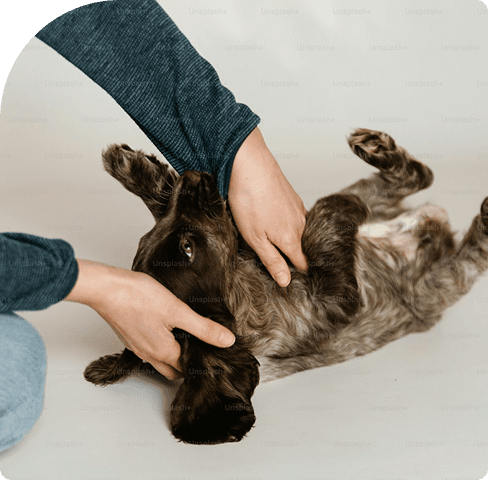
We realize that pet care, and chiropractic care especially, is not a one-size-fits-all solution. Our vets practice a personalized approach to ensure each pet receives the best possible care. Each animal’s unique anatomy, condition, and health history plays a key role in what types of treatment our team recommends and performs.
The Importance of a Proper Equine Rehabilitation Program
Structured equine rehabilitation from injury supports tissue healing, prevents re-injury, and optimizes the recovery timelines. Proper rehab and care improve the horse’s long-term health, comfort, and performance, as well as reduce anxiety and stress from pain and discomfort.
Our supervised programs help reduce the risk of complications and setbacks that can occur during the rehab process. Our team continuously monitors progress to see how your horse is recovering and makes necessary adjustments when needed to promote faster healing.
Common Conditions Requiring Equine Rehabilitation
Tendon/Ligament strains or tears
Arthritis
Laminitis
Performance-related musculoskeletal strain
Hoof-related issues
Neurological conditions
Muscle strains or atrophy
Nerve damage
Respiratory or cardiac conditions
Infectious disease or immune disorders
Orthopedic surgery
Gastrointestinal or metabolic conditions
Trauma or abuse
Common Conditions Treated
If you notice your pet is limping or stiff, has a reluctance to move, has severe muscle weakness, or is overly lethargic, it may be a sign they’re in need of physical rehabilitation.
Orthopedic injuries, arthritis, neurological disorders, and post-operative care are all instances in which physical therapy may be beneficial to pets. Specifically, you should talk with your veterinarian about rehab if your pet has or recently had:
Cruciate ligament tears (ACL)
Degenerative joint disease (arthritis)
Hip dysplasia
Elbow dysplasia
Cranial cruciate ligament tear
Intervertable disc disease (IDD)
Spondylosis
Peripheral nerve injuries
Fractures
Spinal injuries or paralysis
TPLO
Amputation

Our Approach & Techniques
Our team utilizes modern rehabilitation techniques that cater to each horse’s specific needs and recovery timelines. Each specific technique we use targets specific areas of healing to help restore full function and manage the equine’s pain. We also collaborate with farriers, nutritionists, and other specialists when relevant to provide the most comprehensive care possible.
Payment Options for Rehabilitation at Great Lakes Equine
At Great Lakes Equine, we offer flexible financing and insurance options for Rehabilitation. Sign up today with any of our payment plan partners or contact us for specific questions about insurance coverage. Read more about our financing options here.


Frequently Asked Questions About Pet Rehabilitation
The length of the recovery period will vary for each equine depending on the severity of the injury, their age, breed, and other factors. Working with a professional to develop a rehab plan is the best way to ensure your horse heals as quickly as possible.
A balanced, forage-based diet is a key component to help your horse recover and build strong bones and immune functions. Adding in extra protein can help horses recover from muscle or soft-tissue injuries, and vitamins and minerals assist with hoof, joint, and bone health. Work with your veterinarian to determine the best diet for your horse during the rehabilitation process
Your veterinarian may send you home with some exercise you can work on with your horse to assist with their rehab. They also may ask you to make changes to their diet or living conditions. However, most equine rehabilitation will need to be performed in-house so our team can utilize our specialized tools.
Book an Appointment at Welcoming to Great Lakes Equine Hospital
New pets are always welcome at Welcoming to Great Lakes Equine Hospital. Our friendly veterinary staff looks forward to providing our neighbors in Citrus Heights and surrounding communities with the veterinary care they need.
Book Online